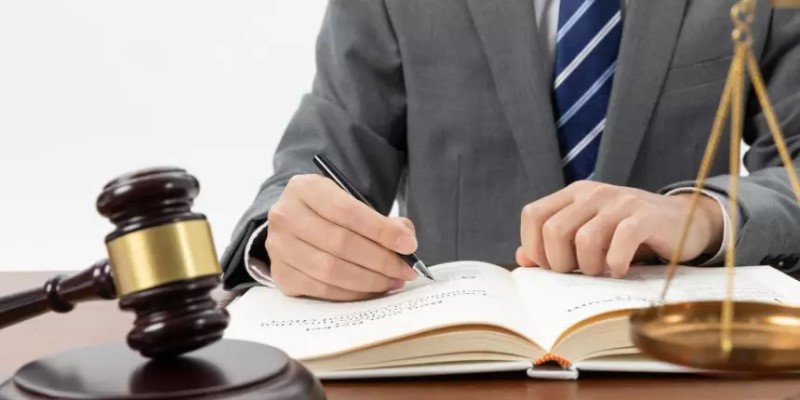


Law and criminal justice explained simply—learn systems, careers, rights, courts, and real-world processes in this beginner-friendly guide.
Law and criminal justice refers to the system of laws, courts, police, and correctional institutions that maintain social order. It defines crimes, protects rights, and ensures fair punishment. Understanding how this system works helps citizens know their rights, responsibilities, and career opportunities.
Law And Criminal Justice
Have you ever wondered how society stays safe and organized despite millions of daily interactions? The answer lies in law and criminal justice, the framework that sets rules, resolves disputes, and punishes wrongdoing. This system protects individual rights while ensuring fairness and accountability.
Law and criminal justice includes laws, courts, police, lawyers, judges, and correctional facilities working together. Each part plays a unique role, yet they operate as one coordinated system. When citizens understand this structure, they make better legal decisions and participate responsibly in society. Let’s explore how this powerful system functions in everyday life.
What Is Law And Criminal Justice? ⚖️
Law and criminal justice is the organized structure that defines acceptable behavior and handles violations. Laws describe what actions are illegal and what penalties follow. Criminal justice institutions enforce these laws through investigation, prosecution, trial, and punishment.
This system exists to maintain public safety, fairness, and equality. Without it, society would struggle to resolve conflicts peacefully. Understanding the basics helps people protect their rights and avoid legal mistakes. It also builds trust between citizens and legal institutions.
Main Purpose Of Criminal Justice 🛡️
The criminal justice system has several clear goals that guide its actions. These goals ensure that laws are applied fairly and consistently across communities. They also help create a balance between public safety and individual freedom.
Key purposes include:
- Deterring crime by setting clear punishments
- Protecting society from dangerous offenders
- Rehabilitating offenders for productive lives
- Delivering justice through fair legal processes
Each objective works together to maintain social stability and public confidence.
Key Components Of The Criminal Justice System 🏛️
Every criminal justice system includes three major components that handle different stages of a case. These parts work together from investigation to punishment. If one part fails, the entire system becomes less effective.
| Component | Main Role | Example Activities |
| Law Enforcement | Investigates crimes | Police patrols, arrests |
| Courts | Conducts trials | Judges, juries, hearings |
| Corrections | Manages punishment | Prisons, probation |
Together, these elements ensure crimes are investigated, judged, and punished properly.
Types Of Criminal Law Explained 📚
Criminal law is divided into several categories depending on the nature of the offense. These categories help legal professionals decide appropriate procedures and penalties. Knowing these types helps citizens understand the seriousness of different crimes.
Common categories include felonies, misdemeanors, and infractions. Felonies involve serious crimes like robbery or murder, carrying long-term imprisonment. Misdemeanors involve less severe offenses such as minor theft. Infractions usually include small violations like traffic tickets, often resulting in fines.
Difference Between Criminal Law And Civil Law ⚖️
Many people confuse criminal law with civil law, but they serve different purposes. Criminal law deals with offenses against society and is prosecuted by the government. Civil law focuses on disputes between individuals or organizations.
| Feature | Criminal Law | Civil Law |
| Purpose | Punish crimes | Resolve disputes |
| Initiated By | Government | Individual parties |
| Outcome | Jail, fines | Compensation |
Understanding this difference helps citizens know which legal path applies to their situation.
Role Of Police In Criminal Justice 🚓
Police officers are usually the first point of contact in criminal justice cases. They respond to emergency calls, investigate crimes, and collect evidence. Their actions often determine whether a case proceeds to court.
Modern policing also includes community engagement, crime prevention, and public education. Officers work closely with neighborhoods to identify safety risks and build trust. Effective policing improves cooperation between citizens and law enforcement, reducing crime rates.
Courts And The Legal Trial Process ⚖️
Courts are responsible for determining guilt or innocence through fair legal procedures. Judges oversee cases, while juries evaluate evidence and deliver verdicts. Lawyers represent both the accused and the prosecution.
The trial process typically includes arrest, arraignment, pre-trial motions, trial hearings, and sentencing. Each step ensures legal fairness and protects constitutional rights. A transparent court system strengthens public confidence in justice.
Correctional System And Rehabilitation 🔒
After sentencing, offenders enter the correctional system. This system includes prisons, probation programs, and rehabilitation centers. Its goal is not only punishment but also behavioral reform.
Rehabilitation programs focus on education, job training, counseling, and therapy. These initiatives help offenders reintegrate into society successfully. When rehabilitation works, repeat crime rates decrease, benefiting communities and taxpayers.
Importance Of Legal Rights And Protections 🧾
Legal rights protect individuals from unfair treatment by authorities. These rights ensure that every accused person receives a fair trial and legal representation. Without such protections, justice systems could become abusive.
Important rights include the right to remain silent, the right to an attorney, and protection against unlawful searches. Citizens who understand these rights can defend themselves more effectively. Awareness also promotes accountability within law enforcement agencies.
Careers In Law And Criminal Justice 👩⚖️
The field of law and criminal justice offers diverse career opportunities. Professionals can work in investigation, legal practice, corrections, or policy development. Each role contributes to maintaining social order.
Popular career paths include:
- Police Officer
- Criminal Lawyer
- Judge
- Forensic Analyst
- Probation Officer
These careers provide stable employment and opportunities to serve society meaningfully.
Technology And Modern Criminal Justice 💻
Technology plays a growing role in improving criminal justice efficiency. Digital databases, surveillance systems, and forensic science tools help investigators solve crimes faster. Courts also use electronic filing systems for faster case processing.
Advanced technologies like DNA testing, facial recognition, and data analytics improve accuracy in investigations. However, they also raise privacy concerns that require strict regulation. Balanced use of technology ensures safety while protecting civil liberties.
Common Challenges Facing Justice Systems ⚠️
Despite progress, criminal justice systems face several challenges worldwide. Overcrowded prisons, slow court processes, and limited funding affect efficiency. These issues sometimes delay justice for victims and defendants.
Other challenges include bias, unequal legal access, and cybercrime growth. Governments continuously reform policies to address these concerns. Ongoing evaluation helps improve fairness and system effectiveness over time.
Criminal Justice Reforms And Future Trends 🔮
Many countries are introducing reforms to improve justice systems. These reforms focus on faster trials, improved rehabilitation programs, and alternative sentencing methods. Community-based justice initiatives are also gaining popularity.
Future trends include AI-assisted investigations, restorative justice programs, and digital courtrooms. These innovations aim to make legal processes more transparent and efficient. With continuous improvements, criminal justice systems will adapt to modern societal needs.
How Citizens Can Support Justice Systems 🤝
Citizens play an important role in maintaining lawful societies. Reporting crimes, cooperating with investigations, and serving as jurors strengthens justice systems. Community awareness programs also encourage responsible behavior.
Individuals can support justice by:
- Understanding local laws
- Promoting ethical behavior
- Supporting rehabilitation programs
- Participating in civic activities
Active citizen involvement improves both safety and fairness.
Benefits Of Understanding Criminal Justice 📖
Knowing how criminal justice works offers many personal and social advantages. It helps individuals protect their legal rights during disputes or investigations. Knowledge also reduces fear and confusion when interacting with law enforcement.
People who understand legal processes often make smarter decisions in contracts, employment matters, and public activities. Education in this field also opens doors to rewarding professional careers. Awareness ultimately creates a more informed and responsible society.
Key Skills Needed For Justice Careers 🧠
Professionals in law and criminal justice need a combination of technical and interpersonal skills. Analytical thinking helps interpret laws and evidence effectively. Communication skills are essential for courtroom arguments and investigations.
| Skill | Why It Matters | Example Use |
| Critical Thinking | Evaluates evidence | Case analysis |
| Communication | Explains legal arguments | Court presentations |
| Ethics | Maintains fairness | Judicial decisions |
Developing these skills prepares individuals for successful legal careers.
Conclusion
Law and criminal justice forms the backbone of organized societies by defining acceptable behavior and ensuring accountability. From policing and courts to corrections and rehabilitation, every component contributes to public safety and fairness. Understanding this system empowers citizens to protect their rights and participate responsibly in their communities. As technology and reforms continue shaping the future, informed individuals will play an essential role in building a stronger and more just world.

FAQs
What is law and criminal justice system?
It is the system of laws, courts, police, and corrections that handles crimes. It defines illegal actions and ensures fair punishment. The system protects both society and individual rights.
Why is criminal justice important today?
It maintains public safety and resolves legal disputes fairly. It also protects citizens from abuse of power. Strong systems build trust between communities and authorities.
How long does a criminal trial take?
Trial duration depends on case complexity and court workload. Simple cases may finish quickly. Complex cases can take months or even years.
What careers exist in criminal justice?
Careers include police officers, lawyers, judges, forensic experts, and probation officers. Many roles support investigations and court operations. Each career contributes to social stability.
Can criminal justice systems be reformed?
Yes, governments regularly update laws and procedures to improve fairness. Reforms focus on rehabilitation, faster trials, and technology use. Continuous improvements strengthen justice systems.